
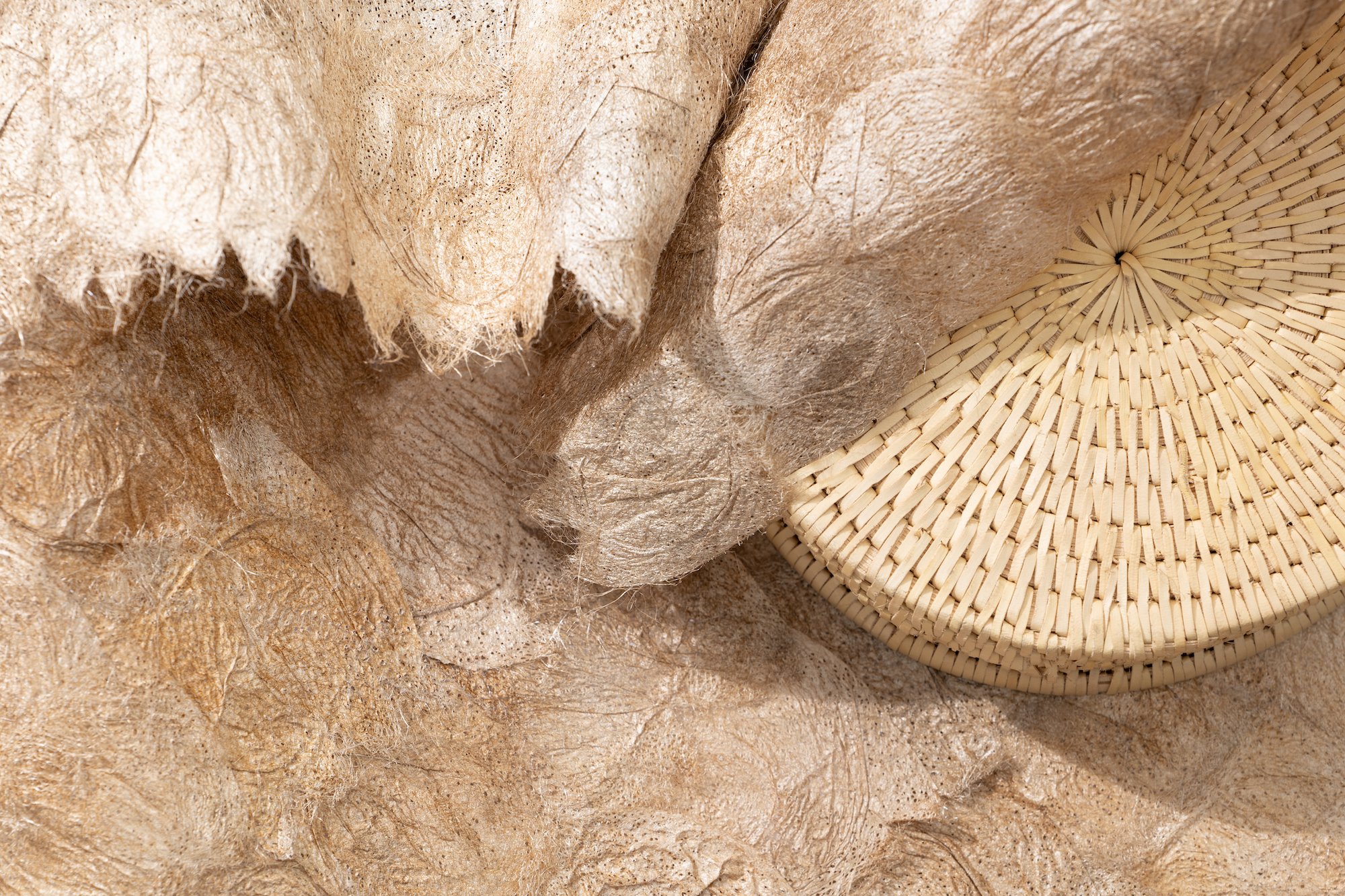
FABRIC: CERANCHIA WILD SILK
Region: Madagascar
Fabric Name:
Ceranchia Wild Silk
Origin:
Ceranchia apollina
Who made our fabric:
Tanana, SEPALIM (Organization of Wild Silk Producers), Maroantsetra, Madagascar
Natural history and ecology:
The Wild Silk-making process begins with farmers who plant and cultivate native plants that will host the silkworms. The farmers rear silkworms on these host plants, using special nets to keep the caterpillars in range. Once the silkworms spin their cocoons, the farmers collect them, gently remove the pupae, and shelter them in rearing huts until they emerge as moths.
What makes this so special:
This wild silk comes from the Ceranchia apollina moths who live in the largest remaining rainforests of Madagascar. Ta’na’na works with farmers and artisans to conserve their livelihoods, reduce loss of biodiversity and restore vital habitats. They are promoting new sericulture industries that are providing a win win solution for communities and forests alike. Once the silkworms spin their cocoons, the farmers collect them, gently remove the pupae, and shelter them in rearing huts until they emerge as moths. Artisans then use these naturally golden cocoons to create a shimmery silk textile.
Found in the Northeastern Coastal Rainforests of Madagascar…

At a microscopic level, Wild Silk is porous. Each fiber has empty channels that run along the length of the fiber, which make it lighter weight than the silk from the domesticated silkworm.
"It makes me happy to see Madagascar move forward and to see people from abroad taking an interest in our development. Things that had no use to us here before now have meaning. The work of SEPALI has blossomed in this community." - Trozona, Village Elder and honorary CPALI member since 2009
The Process
-
![]()
This fabric is made from the whole cocoons of a silkmoth endemic to Madagascar, the Ceranchia apollina. This species has a unique cocoon known as a double cocoon, meaning it has an inner and outer layer. Both layers are golden and lustrous; the inner layer is dense and opaque while the outer layer has a looser, lacy weave.
Pictured: Whole double cocoon, showing inner & outer layers.
-
![]()
The Wild Silk-making process begins with farmers who plant and cultivate native plants that will host the silkworms. The farmers rear silkworms on these host plants, using special nets to keep the caterpillars in range.
-
![]()
Once the silkworms spin their cocoons, the farmers collect them, gently remove the pupae, and shelter them in rearing huts until they emerge as moths. n goes here
-
![]()
The farmers deliver their cocoons to the Ta’na’na workshop, where the team of artisans sort and wash them before preparing them for sewing. Then, the cocoons are cut, ironed, and sewn together.
-
![]()
Thousands of cocoons are stitched together by hand to create Wild Silk textiles like the ones you see here. If desired, the textile can be dyed either before or after the cocoons are sewn together, depending on the product being made.
-
![]()
The Ceranchia apollina, commonly known as the Ghostly Silkmoth, is the wild silkmoth species that produced the cocoons used to make this textile. This species is endemic to Madagascar, meaning it’s found nowhere else in the world. There is little scientific literature on this moth, in fact, our teams' research has become the go-to source for those looking to learn more!


“I'm fascinated with the natural world and I have been grieving for over 20 years with the loss of native habitats and the disappearance of the animals that I have worked with and loved.”
— Rachel Kramer/Wild Silk Ceranchia
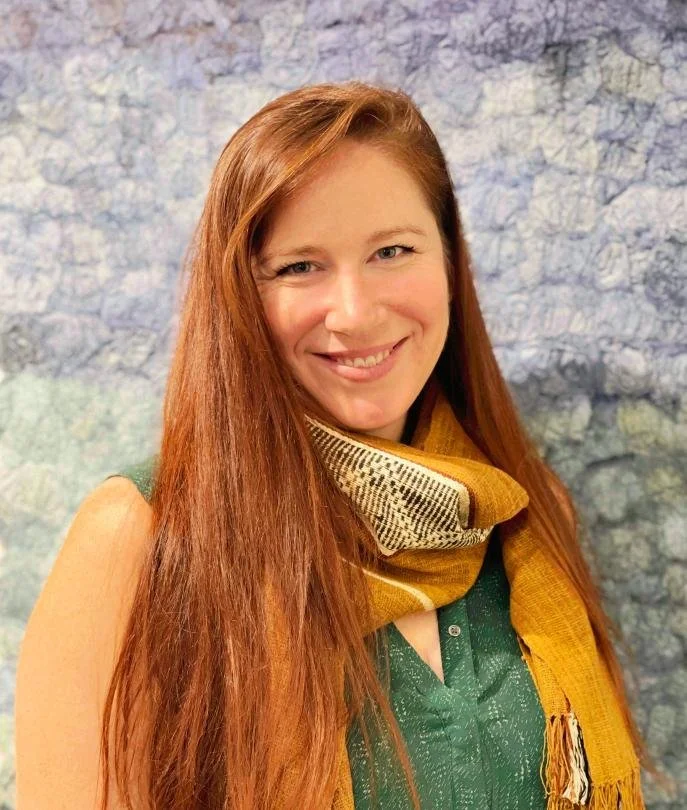
Rachel Kramer
Rachel Kramer is the Executive Director of Conservation through Poverty Alleviation International (CPALI), whose ethical wild silk production technique has evolved into what is known as Tanana Silk. Kramer, a wildlife conservationist with 20 years of experience in global conservation initiatives, assumed leadership of the organization in 2024 from retiring Founder, Catherine Craig. Kramer has known the forested landscape of northeastern Madagascar and local partners since 2006, when she served in the United States Peace Corps. She now oversees the Tanana Madagascar shared social enterprise, which connects Fair Trade and Certified Wildlife Friendly cocoon silk and raffia textiles to global audiences. Kramer work hand-in-hand with the local organization Sehatry ny Mpamokatra Landy Ifotony – the Organization of Wild Silk Producers (SEPALI Madagascar) to co-design and resource nature-positive activities including farmer-led agroforestry, wild silk rearing, village-based artisan skill development, and fuel-from-invasives. By planting native trees, deforested lands are regenerated into spaces where endemic silkworms can thrive without compromising local values. Through a collaborative process, cocoons and raffia are purchased directly from farmers and a talented local team of artisans crafts stunning textiles from them. 100% of sales go to locally run programs.