
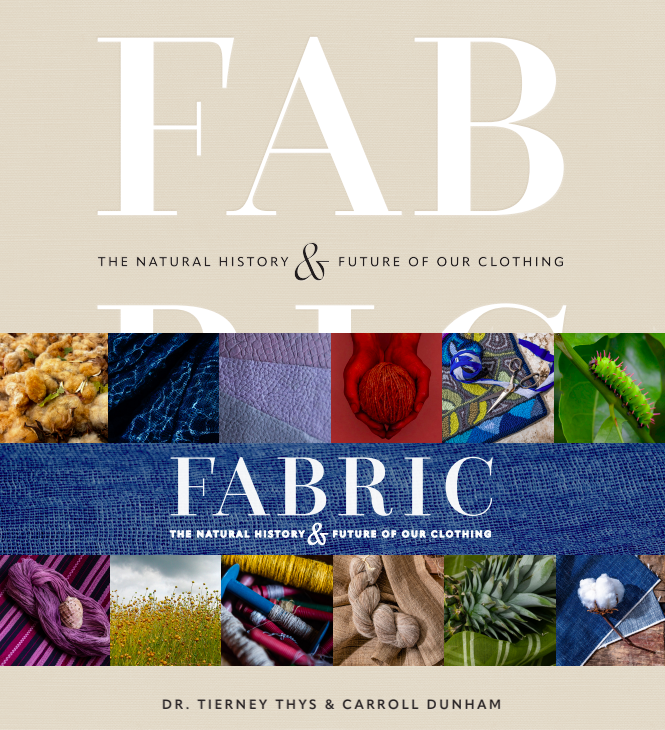
Fabric: The Natural History and Future of Clothing
By Tierney Thys and Carroll Dunham
Today, 65% of the world’s clothing is spun from petroleum. Every wash releases microfibers into oceans, soil, and even our own cells. Yet the story of fabric is also the story of renewal- if we learn to reweave it.
In Fabric, marine biologist Tierney Thys and medical anthropologist Carroll Dunham travel from coral reefs to mountain grasslands, tracing how the threads that clothe us connect to the living world. They meet weavers reviving ancient fibers and innovators growing microbial fabrics that breathe, heal, and compost back into the soil. From barkcloth and yak wool to lab-grown silk, Fabric explores a world beyond petroleum, where textiles become regenerative rather than extractive.
Blending science, anthropology, and storytelling, Thys and Dunham reveal how fashion’s future lies in biology itself in the microbes that shape our skin, dye our fabrics, and may one day replace the refinery. Along the way, they confront textile waste, fast fashion, and the myth of disposability, showing how design, mending, and mindful making can help restore our relationship with the Earth.
Fabric is a journey through time and matter, tracing how what we wear could help heal the planet and ourselves.
Fabric is set to be published this August 2027.
Stay connected as we get closer- sign up for our newsletter or follow us on Instagram for updates, behind-the-scenes stories, and more.
Our Authors
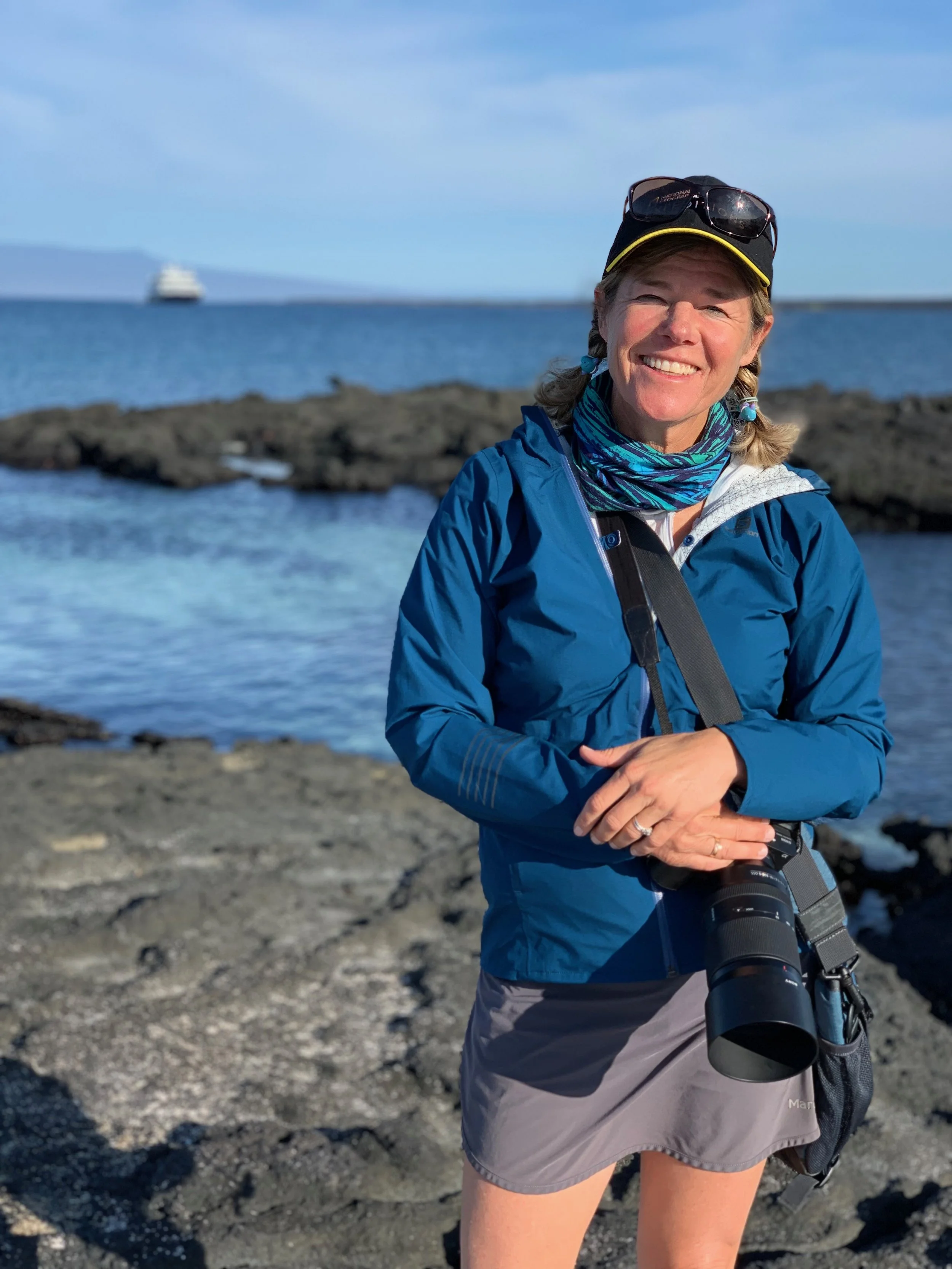
Dr. Tierney Thys
Tierney Thys was a National Geographic Explorer, marine biologist, filmmaker, author, and Research Associate at the California Academy of Sciences. For more than two decades, she combined science, storytelling, and conservation to inspire action on behalf of biodiversity and ocean health. Her work helped shape global conversations around plastic pollution, environmental stewardship, and the interconnectedness of life on Earth.
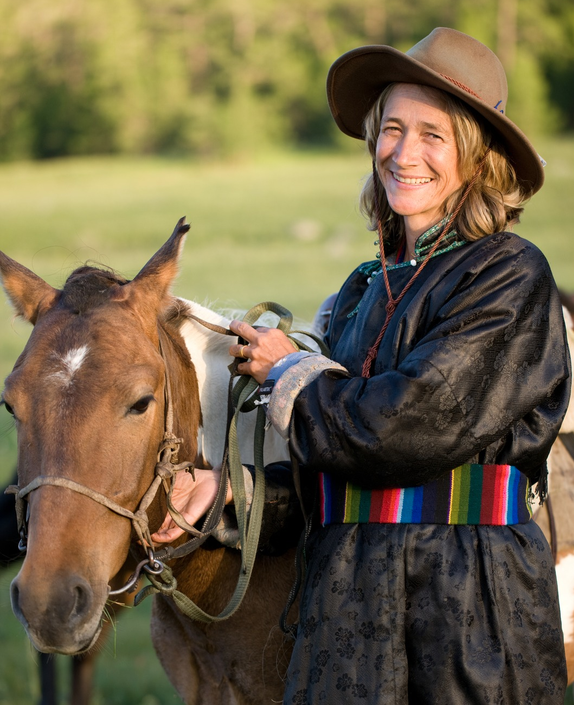
Carroll Dunham
Carroll Dunham is a medical anthropologist, Buddhist chaplain, author, National Geographic Expeditions leader, and social entrepreneur who has lived and worked in Nepal for more than thirty years. Founder of Wild Earth and co-founder of Around the World in 80 Fabrics, she explores the intersection of culture, ecology, traditional knowledge, and the future of sustainable materials.
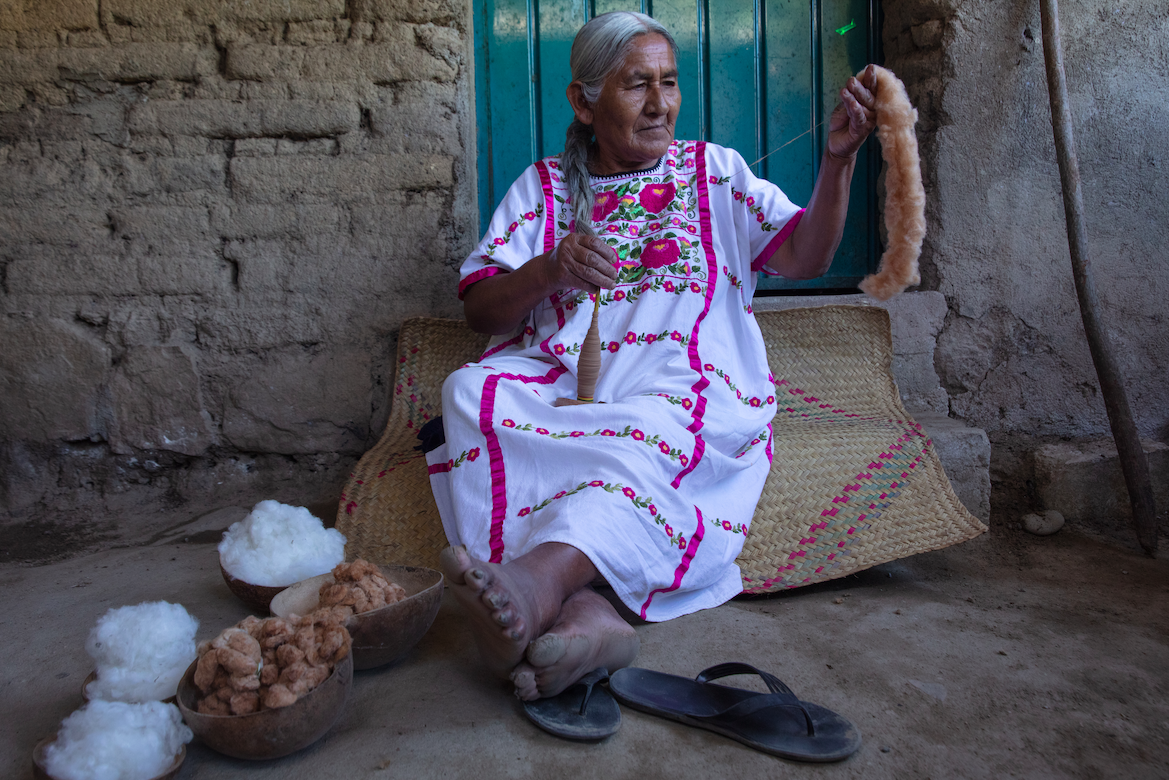
From coral reefs to mountain steppes, this book was shaped by people who see the world differently and helped us show it.
We feel incredibly blessed to have created this inspiring community of makers, innovators, visionaries and photographers, all dedicated to their work revealing new ways of understanding fabric and its impact on the environment.
Some we’ve known for years- friends and collaborators whose journeys have long been intertwined with ours. Others we first encountered through their work, quietly shaping how we see the world. And many we met only through this process of research, strangers at first, who became part of this story through their generosity.
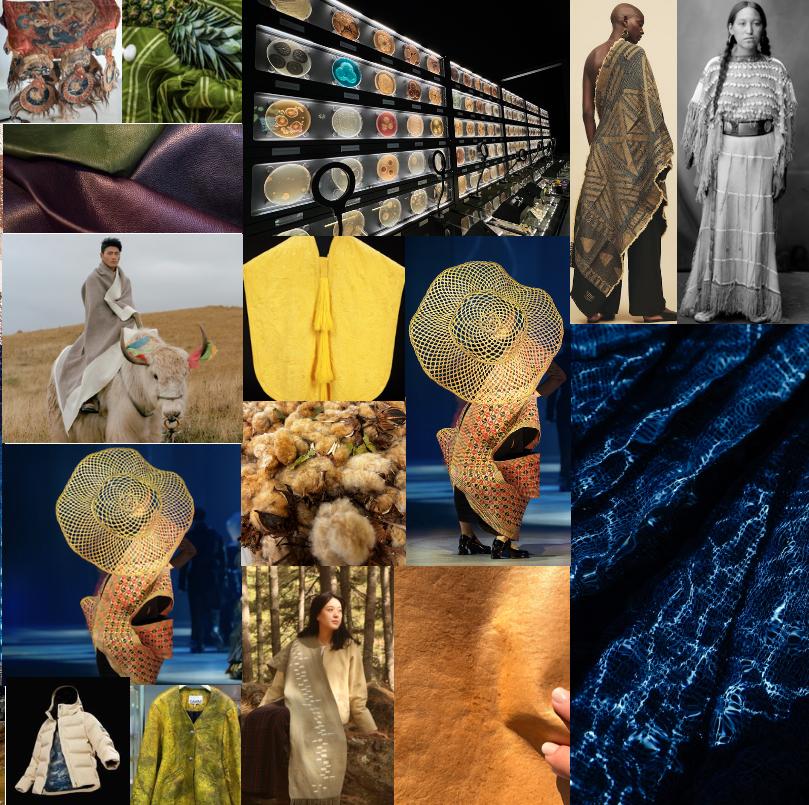
What moved us most was how, without hesitation, so many opened their archives, shared their creations, and trusted us with their work. What could have been just pages of text became something far richer, layered with image, texture, and life.
Because of them, this book is not just something to read, but something to experience.
We hope and truly believe that when readers hold Fabric in their hands this March, they will feel that same sense of connection and wonder.
If this journey has shown us anything, it is this: when curiosity, care, and creativity meet, people come together with an openness that makes the world feel, undeniably, like a better place.
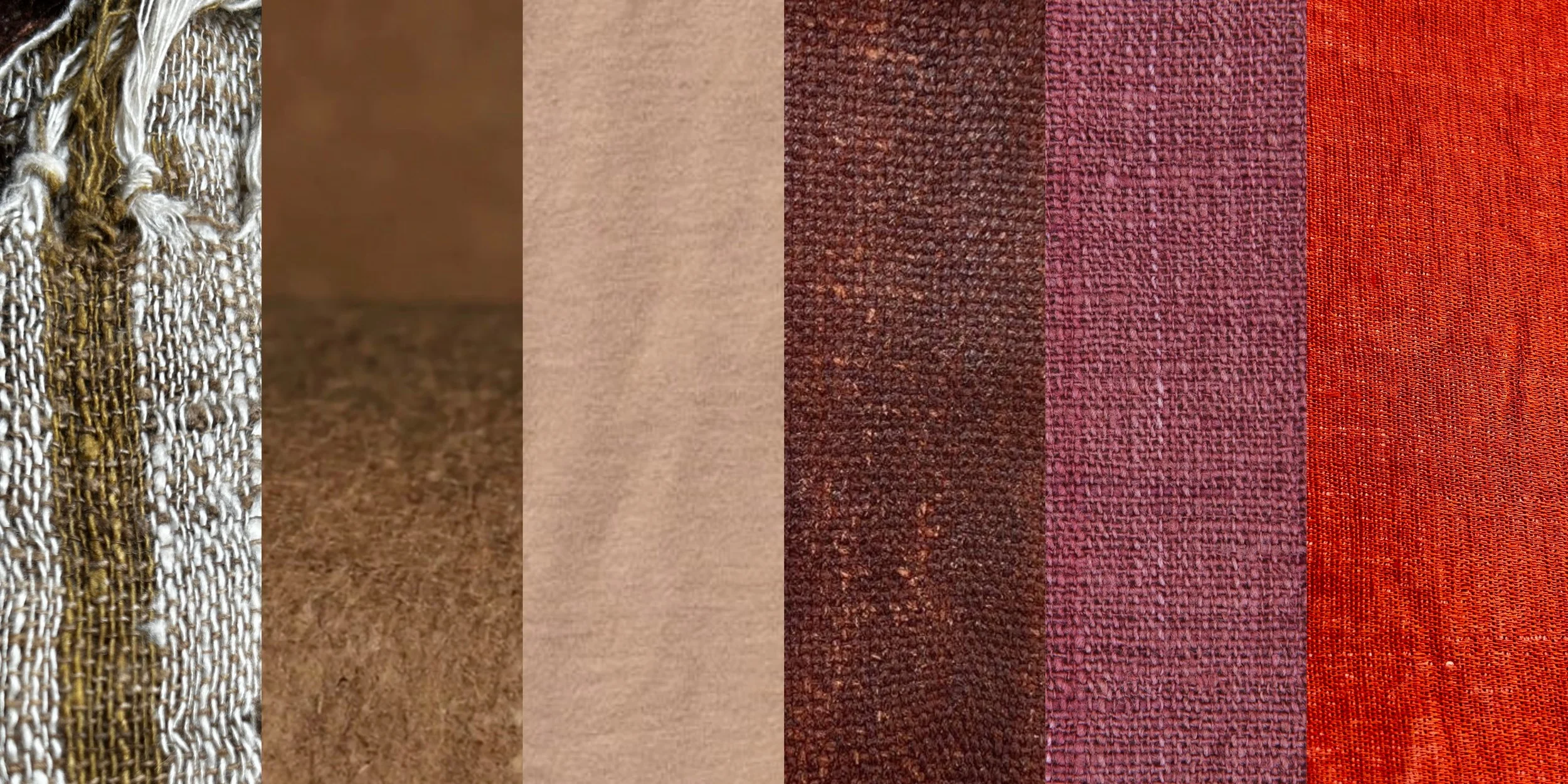
Anecdotes from our Photo Research Team
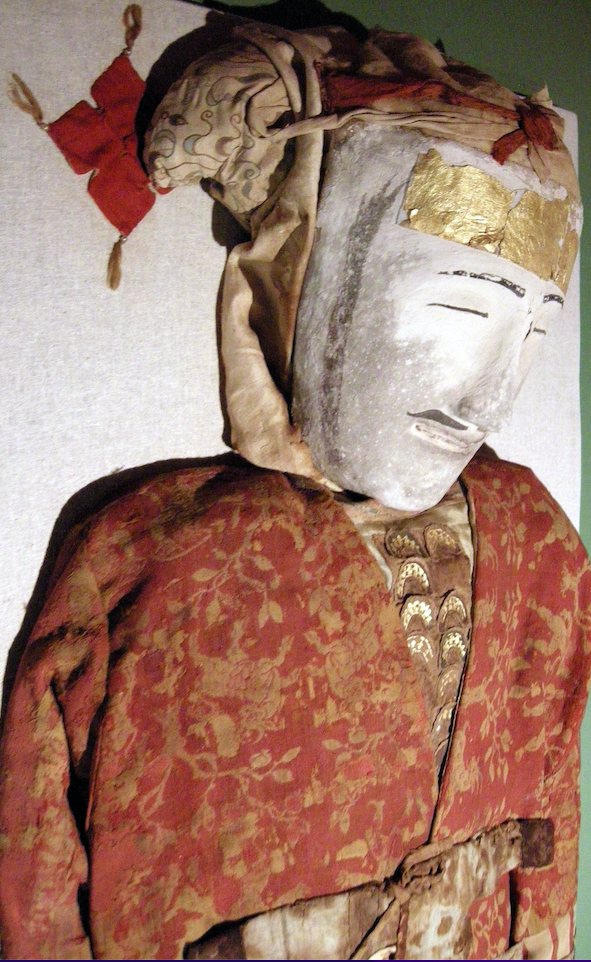
Sometimes, the best parts of a project come from a simple ask.
While gathering images for the book, we came across a striking photograph by Daniel C. Waugh, a close-up detail of the caftan of the Yingpan man. We reached out with a straightforward request to include just that one image.
What came back was something far more generous. After taking the time to explore our work at ATW80Fabrics, Daniel responded not only with permission but with curiosity and kindness. He shared that through his travels across Asia - documenting the vast cultural threads of the Silk Roads - he had captured many moments of textile traditions: weaving, spinning, lotus fiber processing, ground looms, and more. And then, without hesitation, he offered to share them.
“I am always happy to donate the photos for good projects,” he wrote.
That one email turned into a meaningful collaboration. Today, our book is richer with his images—each one carrying a story, a place, and a continuity of craft across time.
It’s a quiet reminder that behind every archive, every photograph, and every contribution, there are people who believe in sharing knowledge freely and generously.
Some images feel almost out of reach—until, unexpectedly, they aren’t.
We knew we needed the iconic photograph of David Bowie in the striped bodysuit designed by Kansai Yamamoto for the Aladdin Sane tour, captured by Masayoshi Sukita in 1973. It was one of those defining images that could anchor an entire narrative, but also one we assumed would be difficult, if not impossible, to secure.
We sent a hopeful email to a general contact address we found on his website, not expecting much. In parallel, we began exploring other routes—reaching out to museums and collectors, bracing ourselves for complex permissions and likely high fees. And then… a month later, a reply arrived.
It was from Aki Sukita, Masayoshi Sukita’s nephew, who manages his work. Not only did he respond warmly, but he shared a high-resolution version of the image with us and simply asked for credit in return.
No negotiations, no barriers - just generosity. Moments like this quietly shape the soul of a project. They remind us that even the most iconic works are, at their heart, part of a shared cultural story and that sometimes, the people who protect them are also the ones most willing to pass them on.

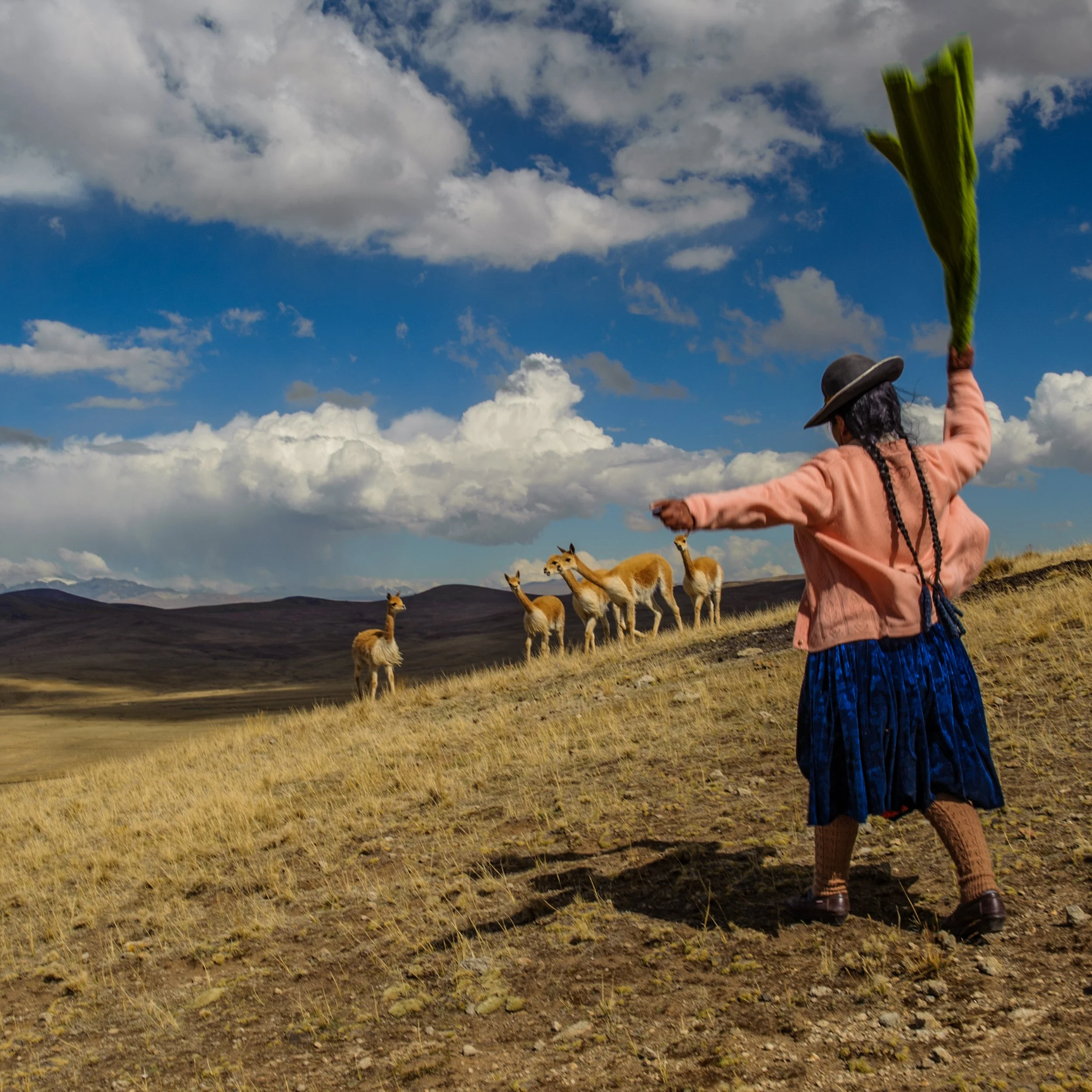
Some collaborations begin with admiration.
As we were nearing the final stages of image selection for Chapter 5:The Natural History and Future of Clothing, Carroll and Tierney kept returning to the work of Beth Wald. As fellow National Geographic explorers, they had long respected how her award-winning photography documents cultures and environments at risk. Her storytelling- especially her images of Andean communities- felt deeply aligned with the spirit of our book.
Still, it felt like a long shot. Carroll decided to write to her anyway.
What came back was simple and generous: Beth agreed.
And her image- rooted in care, dignity, and deep attention- became part of the visual language of our book.
Some images aren’t found-they’re brought back to life.
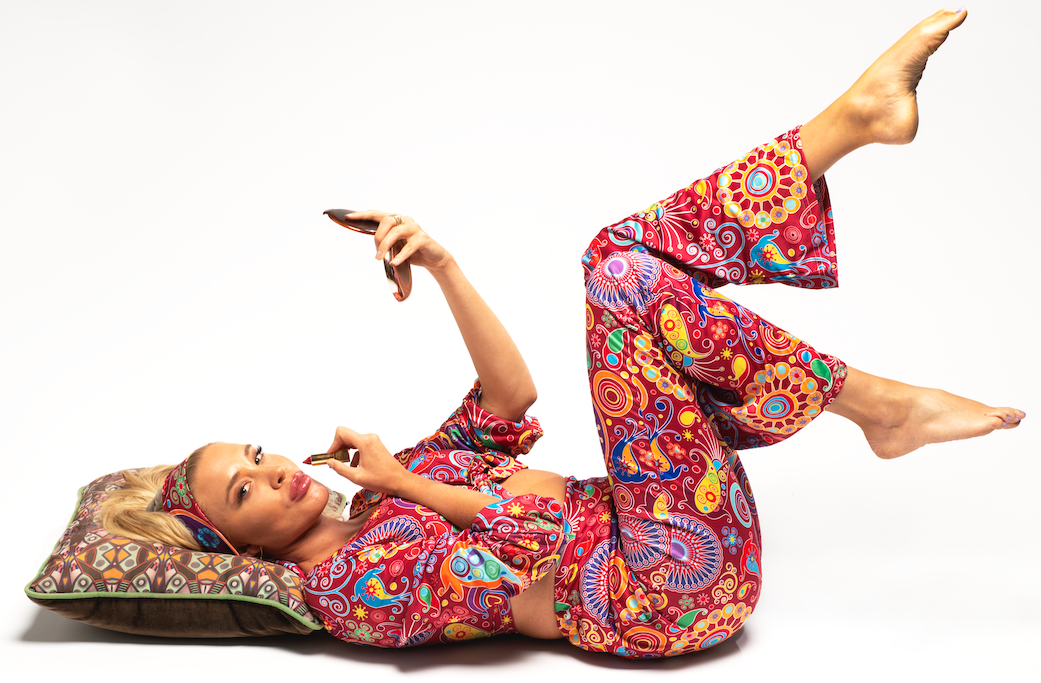
While working on Chapter 3: What’s Not to Love About Plastic? | Not so Fantastic Plastic, we were searching for a photograph that could capture the exuberance of the 1960s, when polyester and its synthetic kin, paired with bold new dyes, unleashed an explosion of color and creativity in fashion. We combed through archives, flipped through vintage magazines, and searched endlessly, but nothing quite captured the spirit we were looking for. And then the answer came from much closer to home. Our co-author Carroll Dunham remembered a dress she had once passed on to her cousins. It wasn’t easy to track down, but somehow, the dress made its way back to us. And with it, the story we had been trying to tell. Her cousin Sara stepped in as our model. Behind the lens, Carroll’s dear friend James Hart captured the moment with just the right balance of playfulness and nostalgia. What began as a frustrating search became something far more personal, a re-creation, rooted in memory, family, and friendship. Today, that image opens the chapter. Not found in an archive, but made just for this book.


A Book Built by a Global Community
The Natural History and Future of Clothing is far more than the work of its authors. It is the result of the generosity, expertise, and creativity of a remarkable global community.
We are deeply grateful to the artists, makers, researchers, historians, museums, organizations, photographers, and textile experts who shared their time, knowledge, stories, and images with us. Many generously granted permission to reproduce their work, while others opened their archives, connected us with new sources, or contributed original photography created especially for this book. We are also especially thankful to our in-house photographers, Thomas Kelly and Jamie House, whose beautiful images help bring many of the book's stories to life.
Every contribution—whether a photograph, an interview, a conversation, or a simple introduction—has helped make this book richer, more accurate, and more meaningful. It truly is a collaborative celebration of the people, places, traditions, and innovations that shape the story of fabric.
Meet the incredible people and organizations who helped make this book possible.
A special mention goes to our amazing interns, whose creativity, curiosity, and hard work contributed so much to this book and the world around it.
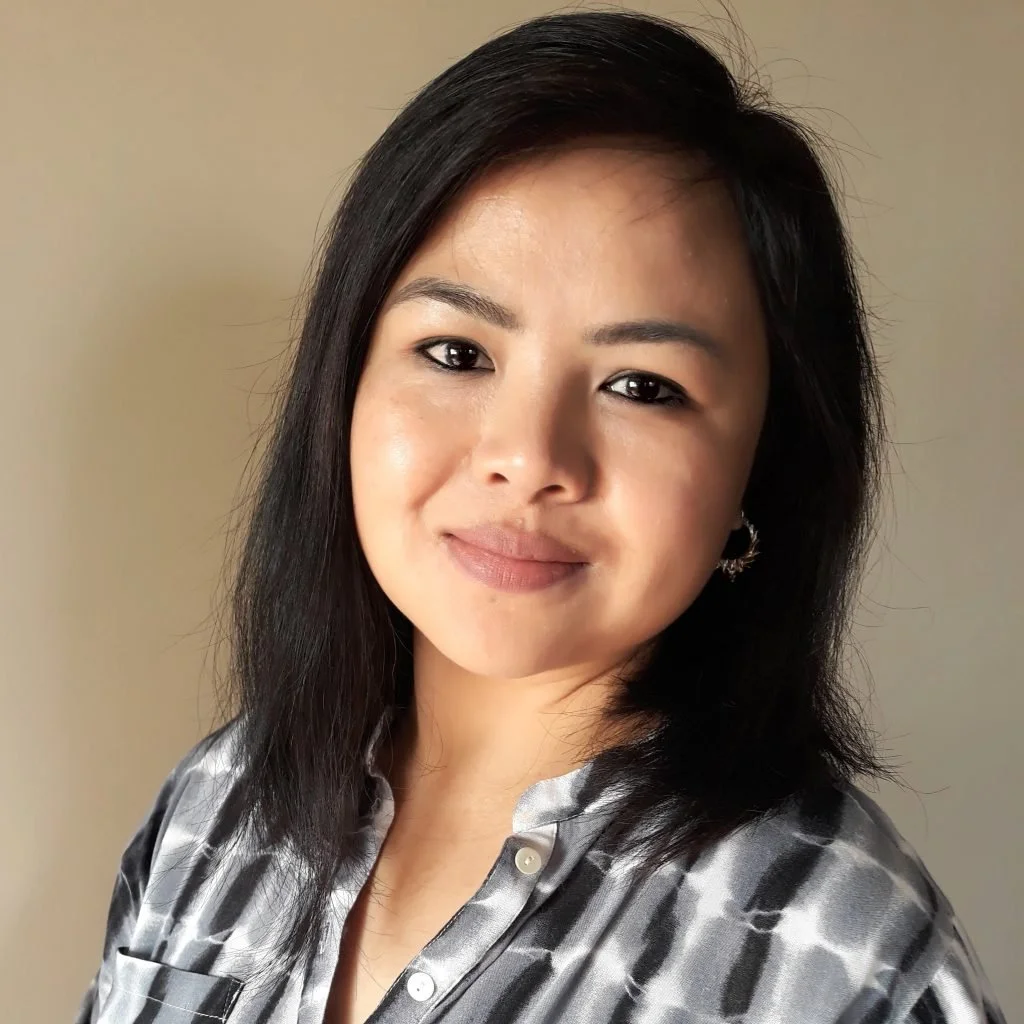
Claire Diepenbrock photographed our collection; Rachel Metzger, Mia Berges Voorhie, and Grace Flinchbaugh, Danielle Thys, Zoe Parkes helped research artists, fabrics, and stories; Dawson created beautiful illustrations tracing the life cycle of fabric; Icy Liang’s illustrations added depth and meaning to the text; and Alyssa Gorman brought the book to life beyond the page by creating the pop-up exhibition accompanying the book.
We are incredibly grateful for the energy, ideas, and care each of them brought to the project.